
Alphorn
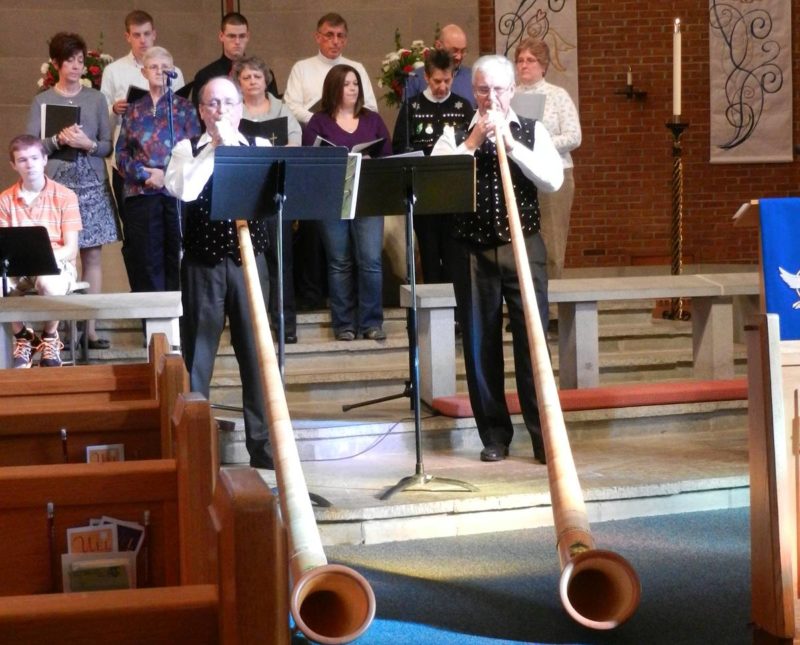
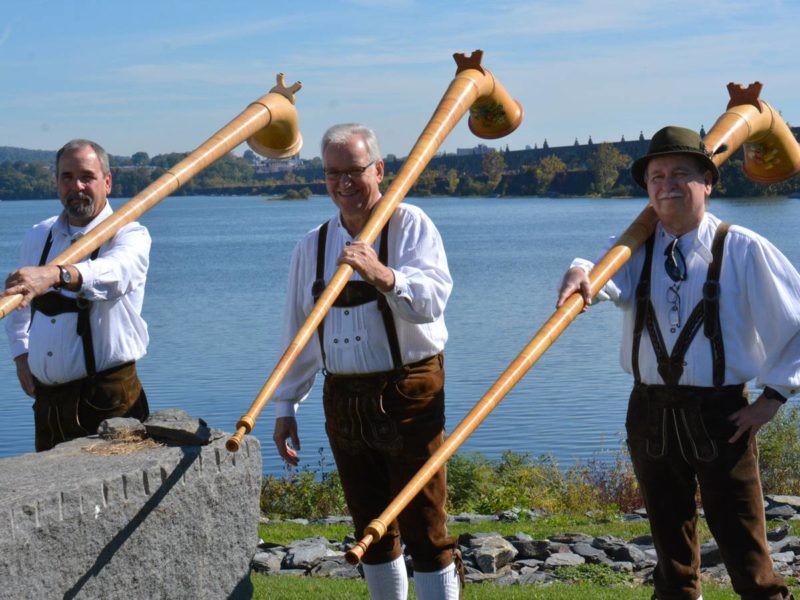
- Choral für Reinach Alpenlaenders 0:32
- Spirit of Alphorn Alpenlaenders 0:52
- Wenn der Sepp sein Alphorn bläst Alpenlaenders 0:30
- Sehnsucht nach den Bergen Alpenlaenders 0:50
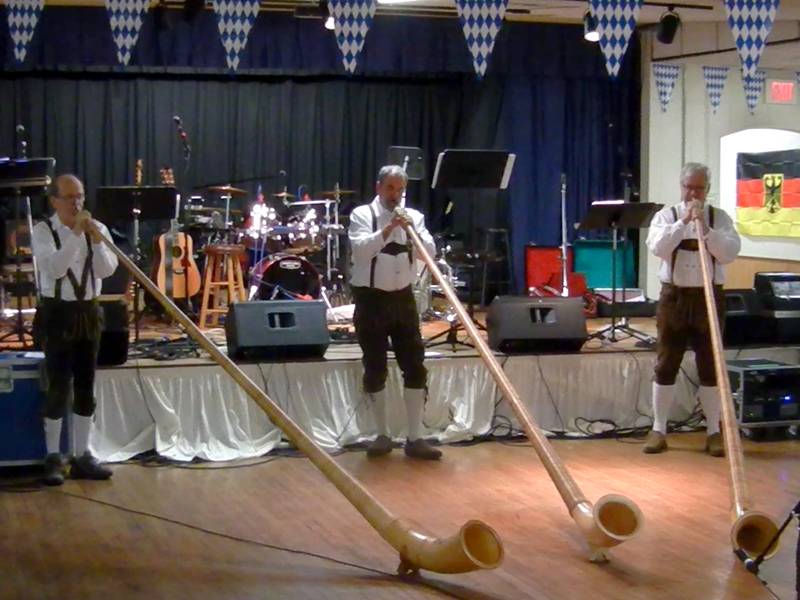
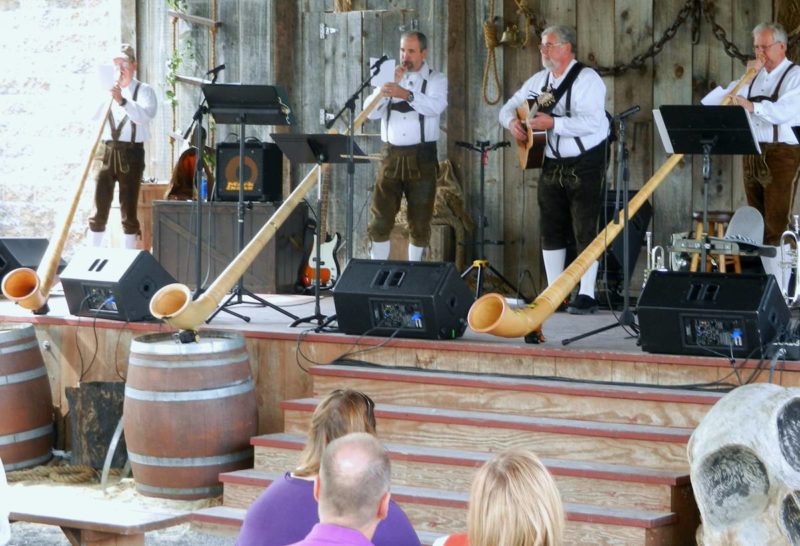
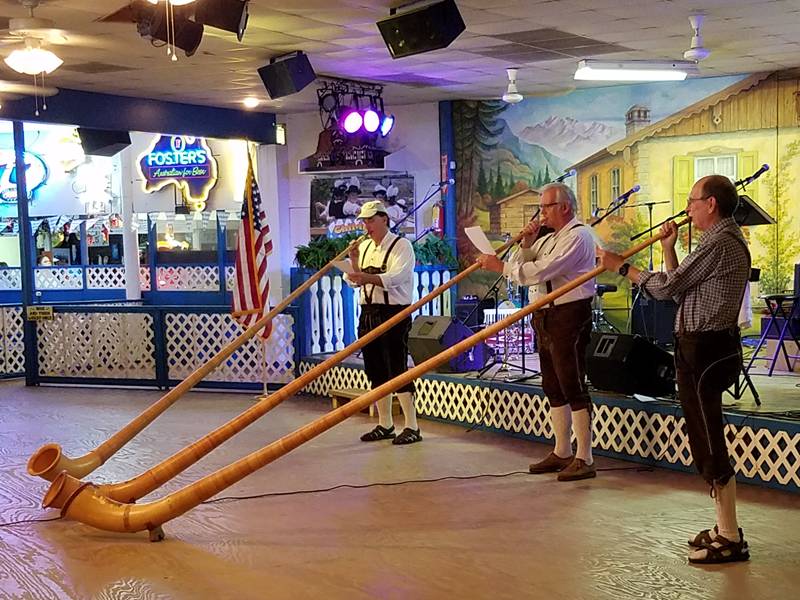
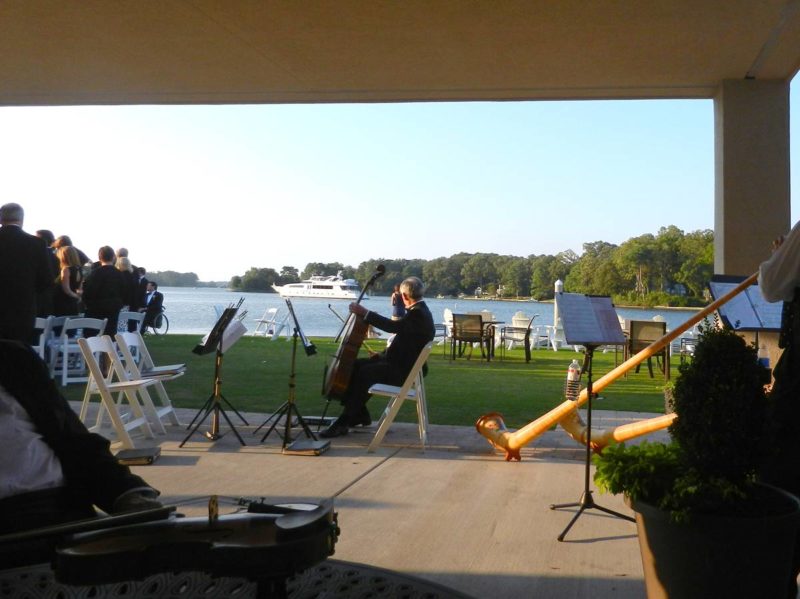
Whether you are looking for a traditional alphorn concert or an alphorn show with the band, we have the music and perfect program for your occasion.
Wedding receptions, corporate events, cultural events, church concerts and music camps are just a few functions to mention that will captivate the audience with a unique listening experience.
For booking an alphorn concert please contact Helmar Mueller at helmar@alpenlaenders.com
The Alphorn Players
Helmar Mueller: From York, Pennsylvania, Helmar is a band leader and performed as a Swiss alphorn player since 1993. Helmar is also a trumpet, accordion and button box (squeeze box) player and made several CD recordings with the alphorn.
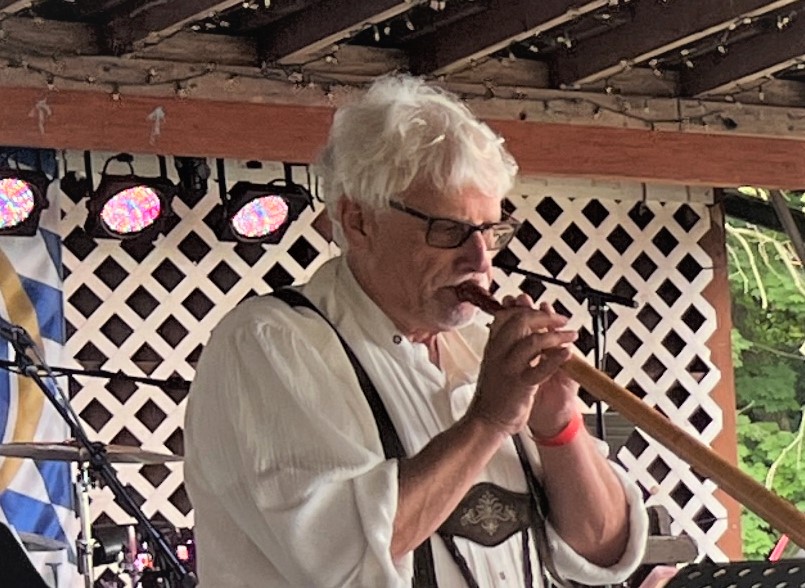
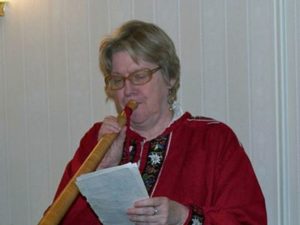
Tobi Cisin: From Washington DC, Tobi is a Swiss alphorn Soloist since 1991. Tobi also plays French horn, has a Masters of Music degree from the Indiana University and competed in the top ten percent at the 2007 International Alphorn Competition of Nendaz, Switzerland.
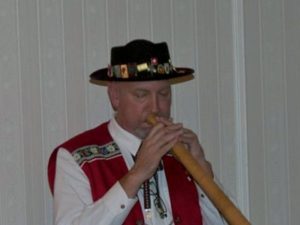
Brian Priebe: From Washington DC, Brian is a music director, singer and trombone, Swiss alphorn, and Norwegian lur player. Brian took second place in the 2010 International Alphorn Competition in Nandez, Switzerland as a Duo with Tony Brazelton. Brian also placed second in the 2007 competition as a Soloist.
Alphorn Sound
Alphorns have no valves, and are played much like a bugle. It takes practice to build your lip in order to play the full range of the horn which, surprisingly, is several octaves. When they are played, the notes are produced by the tension of your lips and the pressure of your breath.
Making of the Alphorn
The making of an alphorn is an art that is handed down from generation-to-generation. Only select spruce, and sometimes pine, is used by alphorn makers to carve the alphorn. It is most often made in three sections for easy transport. The three sections have brass bushings with O-rings on the ends, allowing the sections to be pushed together to seal the connections. A hardwood ring on the bell, the rattan wrapped tube sections and a separate wooden mouth piece similar to brass instruments completes the alphorn. Finishing touches of the alphorn include either carvings or hand paintings of alpine flowers or any type of artwork to personalize the identity of the alphorn.
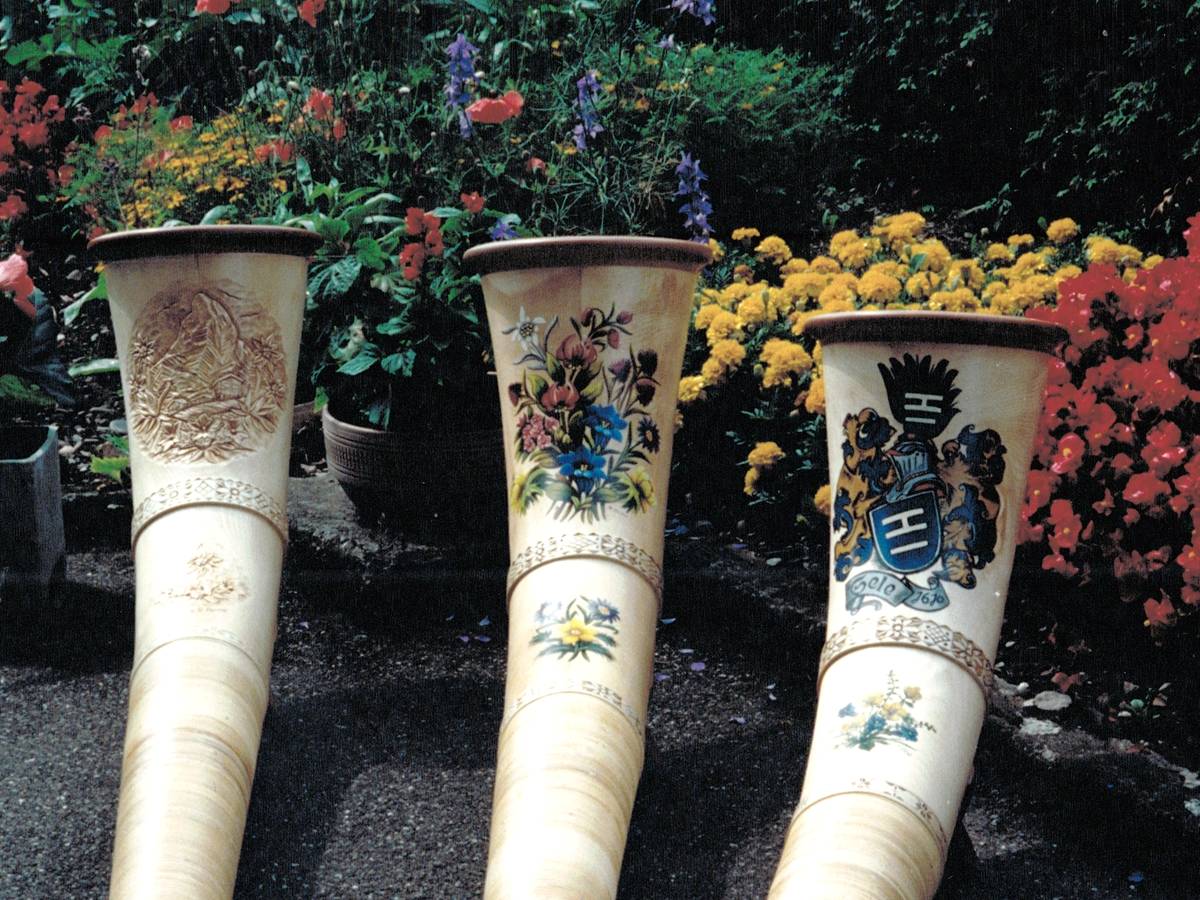
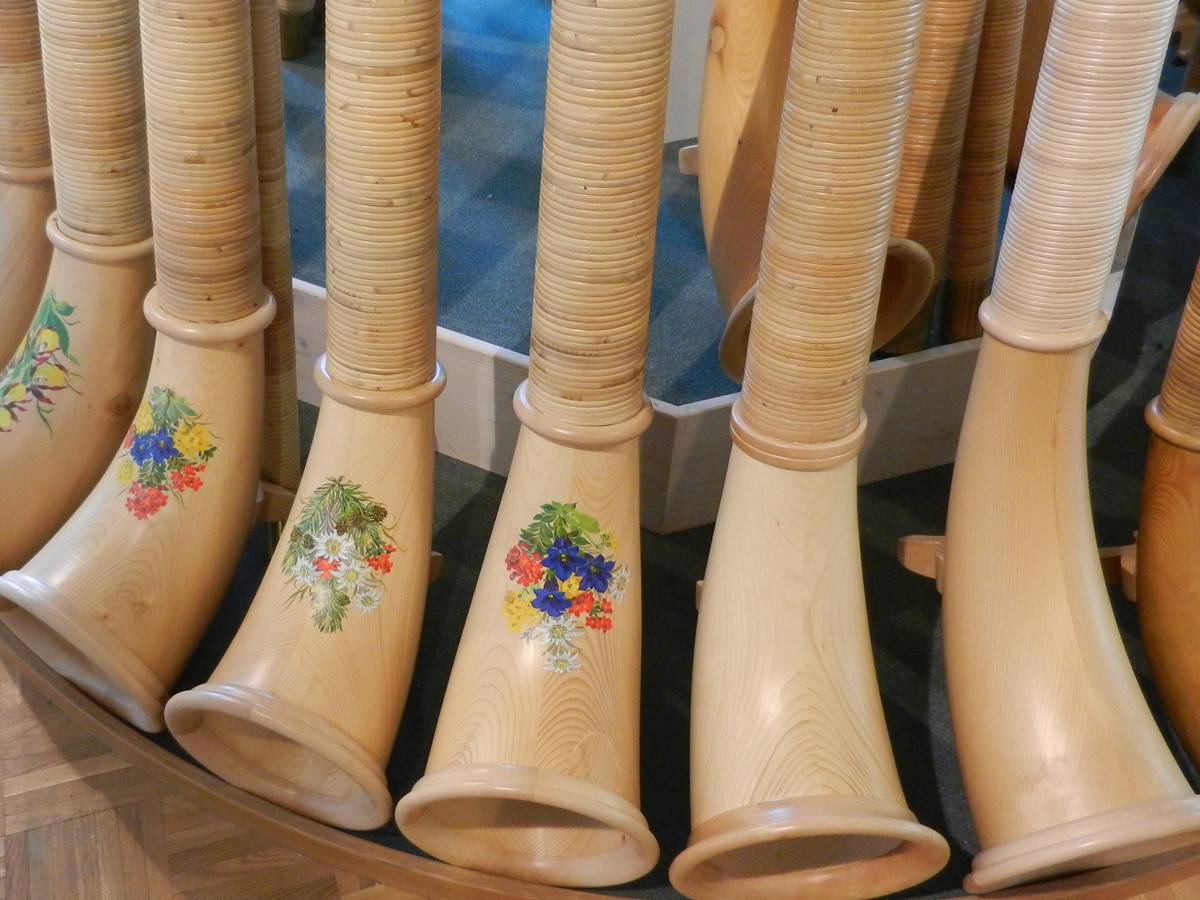
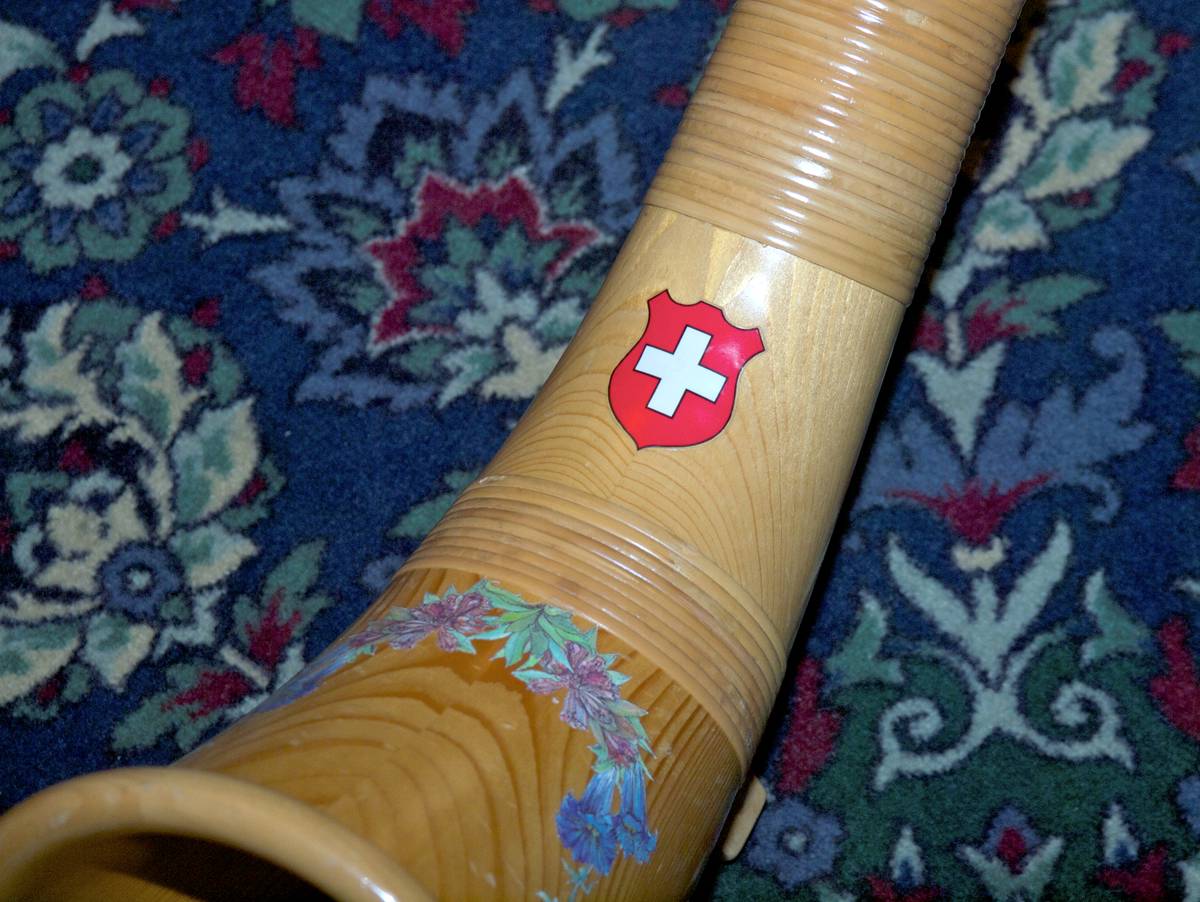
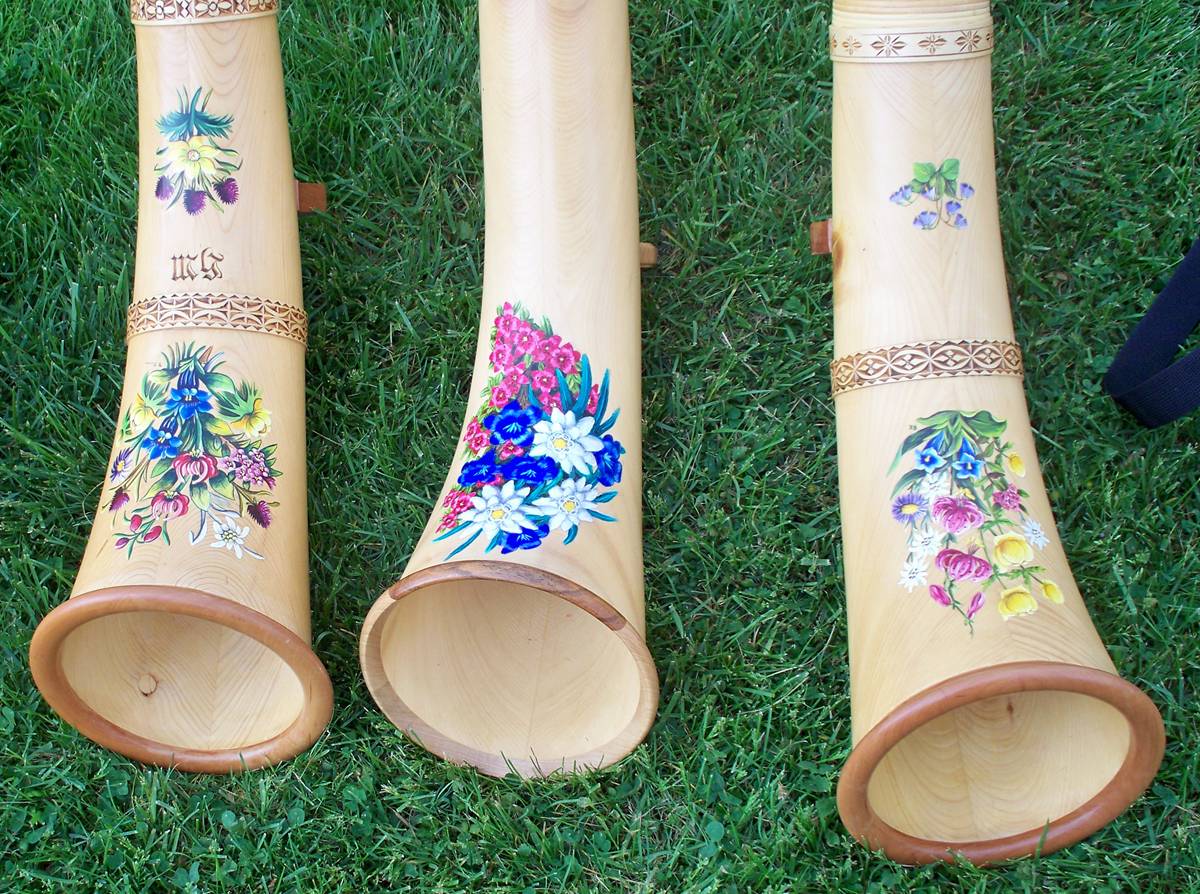
In the photo album are samples of beautiful works of art that decorate each horn.
For more information regarding the purchase of a beautiful handcrafted alphorn, contact Helmar Mueller at helmar@alpenlaenders.com